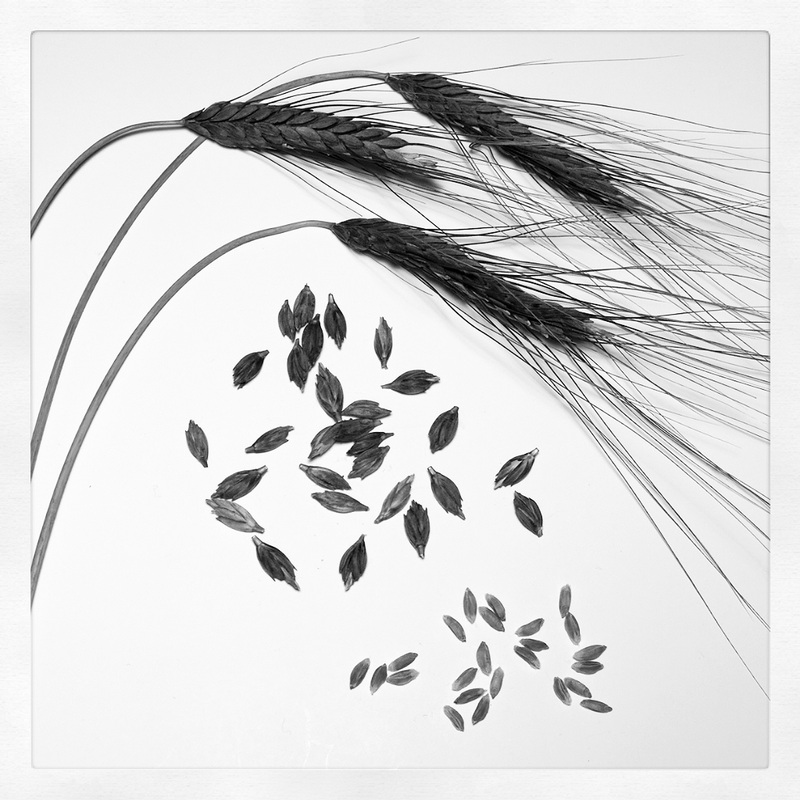
 Black Winter Emmer Black Winter Emmer Ever wonder how to get the hulls off of your homegrown Einkorn and Emmer, so you can eat them? I have heard of this solution, but I haven't tried it yet. Here is a video on YouTube of a simple way to do it. At 1:00, notice that a thick, flat rubber ring has been mounted over the main steel plate of a Corona or Porkert grain mill. The other steel plate is left bare. The grain heads are cut off the stems, and then run through the grinder. The plates need to be adjusted for firm, but not crushing pressure. As you turn the crank, the metal teeth of the steel plate, rubs the hulled grain against the rubber plate, and the friction rubs the hulls apart. Then the grain is separated from the chaff, by winnowing it in the wind. On an even smaller scale, you can use the ancient method of toasting the hulls in a frying pan until very dry, then crushing the hulls with a mortar and pestle, and then winnow in the wind to separate the grain from the chaff. - Botan Anderson
2 Comments
A History of Harvesting Grains, from the Scythe to Gigantic Modern CombinesWhile it's amazing what a $500,000 combine can do, how does a small acreage farmer homesteader grow and harvest their own grain? Even small walk-behind combines cost a fortune. From 4:40 to 14:14, the above documentary shows how grains used to be harvested by hand, with a scythe and a flail. There is some good historical footage in this video. While the modern reenactment was done when the grain was at peak ripeness, the narrator explains at 6:55 that grains were traditionally harvested with a scythe before peak ripeness, so fewer grains would get knocked loose while harvesting. Then the grain was tied into sheaves and stacked in the field, in shocks, to finish ripening. Modern combines harvest wheat at complete ripeness.
Another great harvest video. YouTube sure is a goldmine of info. This one was posted by tempo2002 . It was shot in Super-8 film by Folker B. Jung, in 1983. I think it takes place in southern Germany. Excellent close-up views of the F.A.O.-style grain cradle's construction, and in action! There is a drawing of the F.A.O. cradle on page 77 of The Scythe Book, though the cradles in this video look more artfully constructed. July 14th at UMass Farm, South Deerfield, Mass. - Growing Local Grains July 15th at Colrain Seed Farm, Colrain, Mass. - Community Grain Festival See www.growseed.org for details. 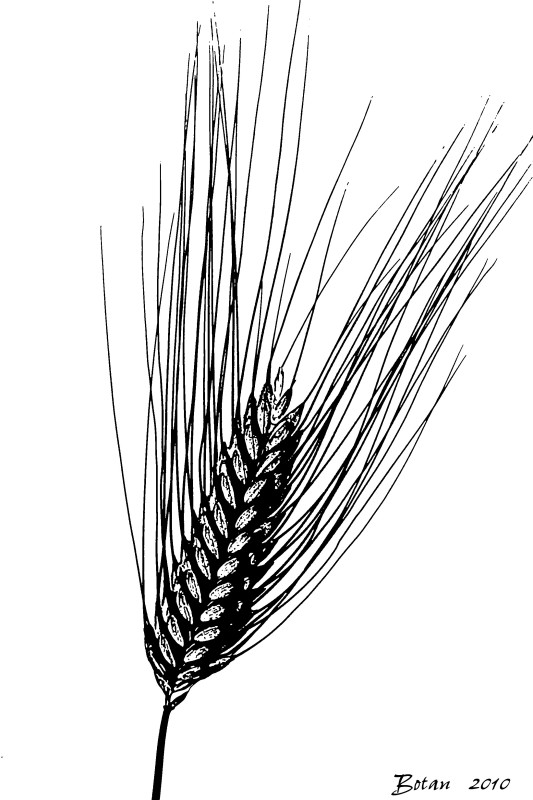 An Announcement from the Heritage Wheat Conservancy:
HERITAGE WHEAT FIELD DAY - BRATTLEBORO, VERMONT SUNDAY JULY 25, 2010 Join us for a wheat field day in Brattleboro, VT at the SIT Farm. They said we couldn't do it, but we did! We're building a local wheat-to-bread system, variety by variety, field by field. Help us harvest almost-extinct ancient wheats einkorn and emmer, delicious Rouge de Bordeaux French heritage wheat, and robust Banatka, reknowned for baking quality in Eastern Europe. Take home a sheaf of what you select, to plant in your own farm or garden. Schedule: 10:00 Select for local adaptability and robust resistances 11:30 Workshop: Restoring Heritage Wheat and Bread Traditions 12:30 Potluck Lunch with tastings of delicious einkorn bread that is safe for most gluten allergies! Directions: I-91 Exit 3, South at rotary onto RT 5, take first right onto Black Mountain Rd, Drive up the windy road. Right at SIT, at the Wheat Festival sign. Contact: Eli Rogosa: growseed@yahoo.com See growseed.org for details 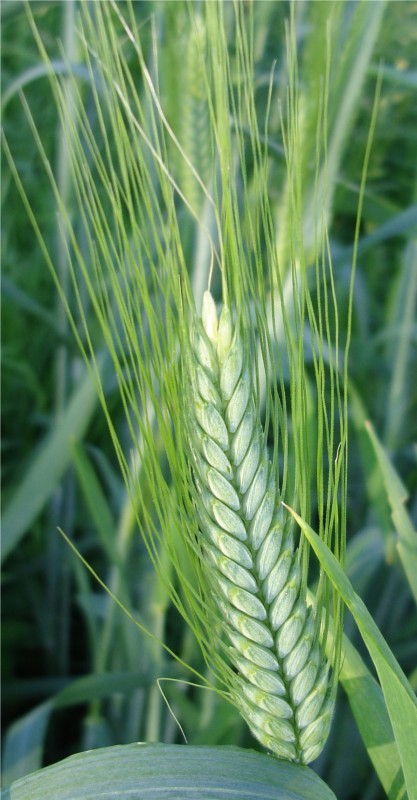 Modern wheat varieties have been developed for ease of growing and harvesting on a vast scale with machines, for disease-resistance in huge monocultures, and high gluten content for commercial bread baking. As with fruits and vegetables, flavor and nutrition have become a more minor consideration. If you are going to go to all the work of raising small grains by hand, you might want to consider getting involved with raising, and preserving, ancient and heritage varieties of grain, that were developed during the eras when they were grown on a small scale, and harvested by hand. There may be a wisdom to their development, that is lost at a modern machine scale. For example, very tall winter varieties can out-compete the weeds more easily.
Also growing, and harvesting small-grains by hand, is an awful lot of work for something that you can easily buy in bulk at a natural foods co-op. A better niche for the scythe user, would be to grow rare heritage varieties, that you can't buy anywhere else. You can help preserve them for the future, and also adapt them to your bio-region. Start with a variety of different grains in garden-sized plots, and see what does well in your area. Save the seed of what grows, and tastes the best, to sow larger areas the next year. |
Botan Anderson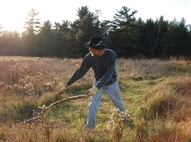 Archives
March 2023
Categories
All
|
 RSS Feed